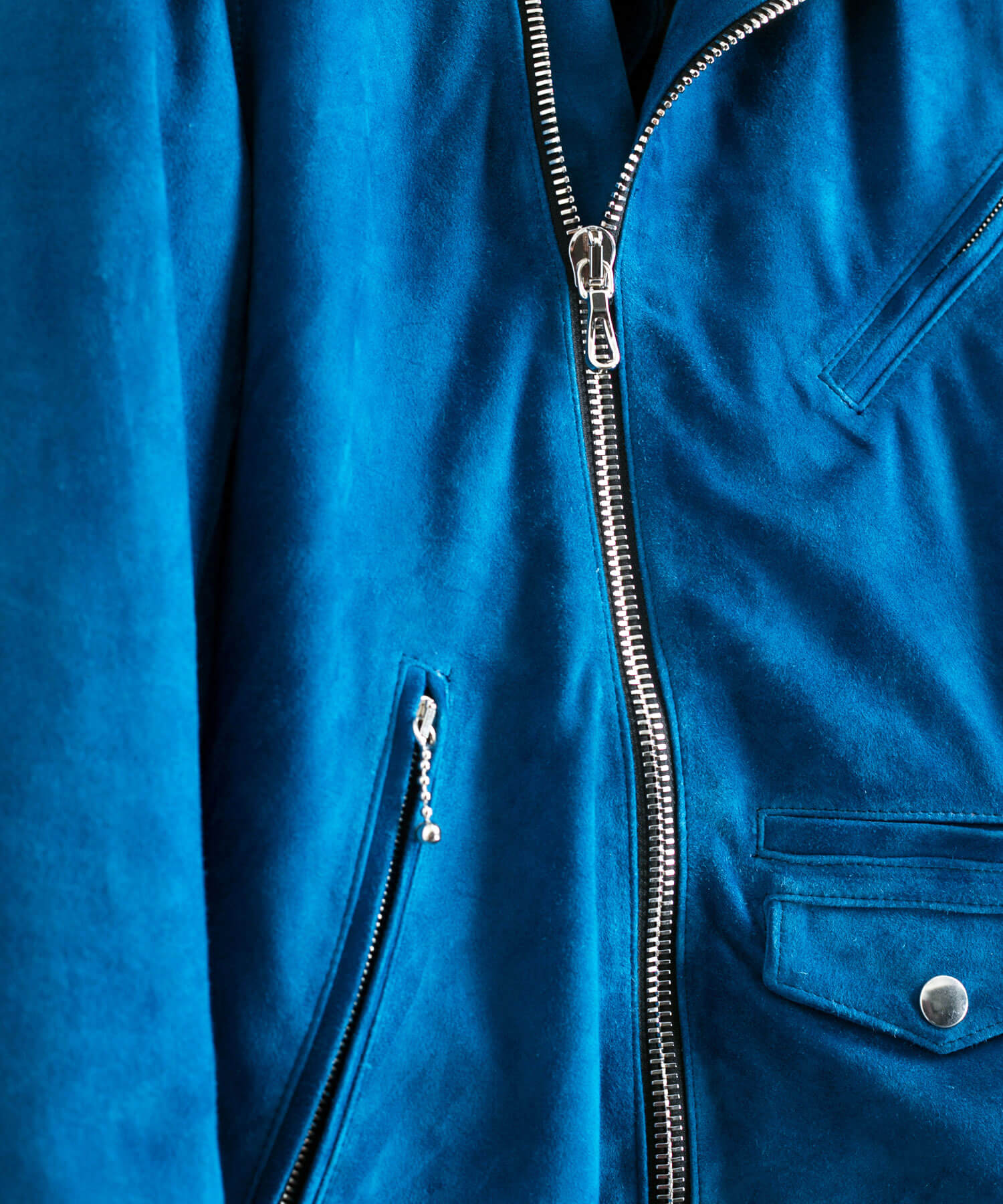
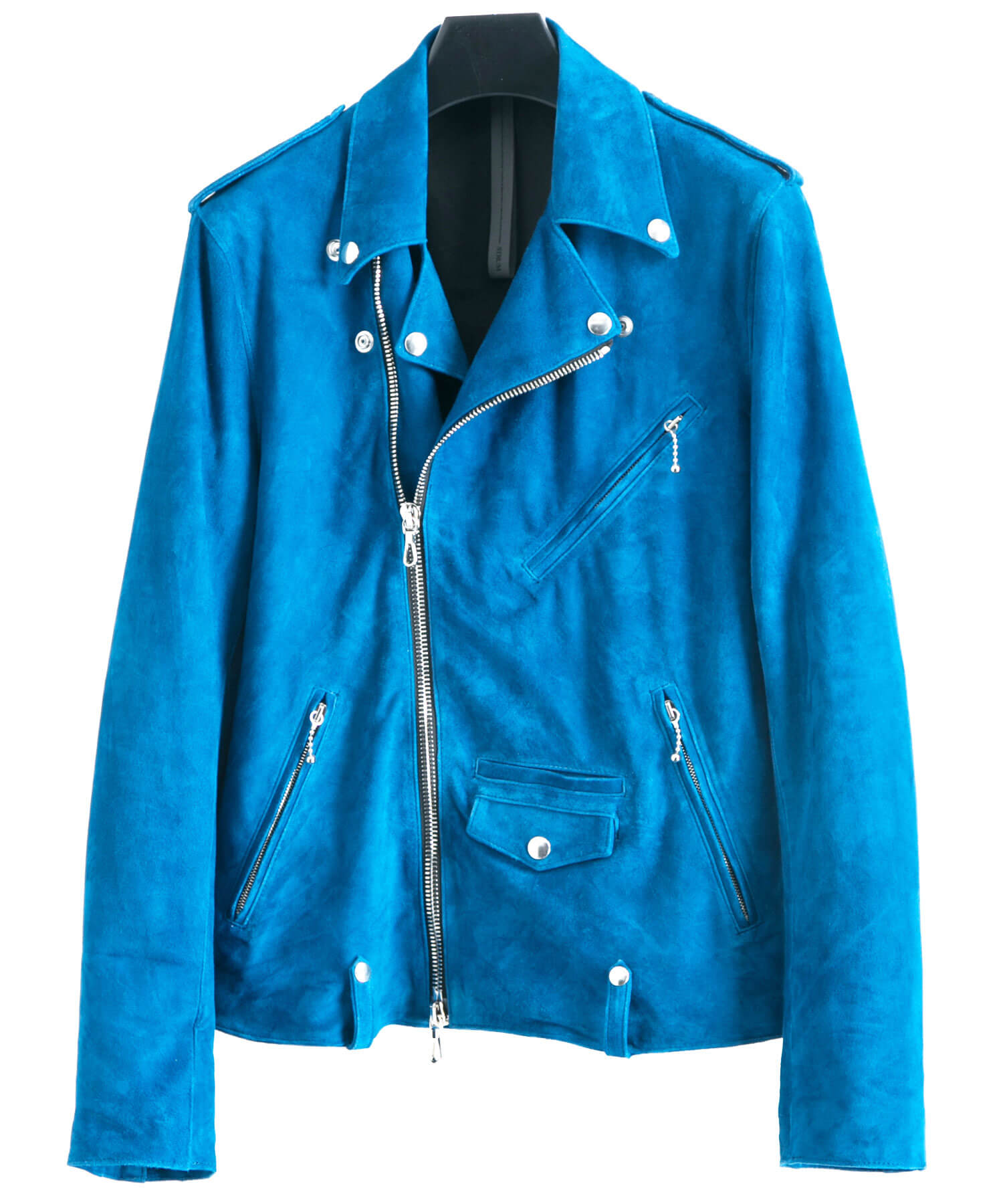
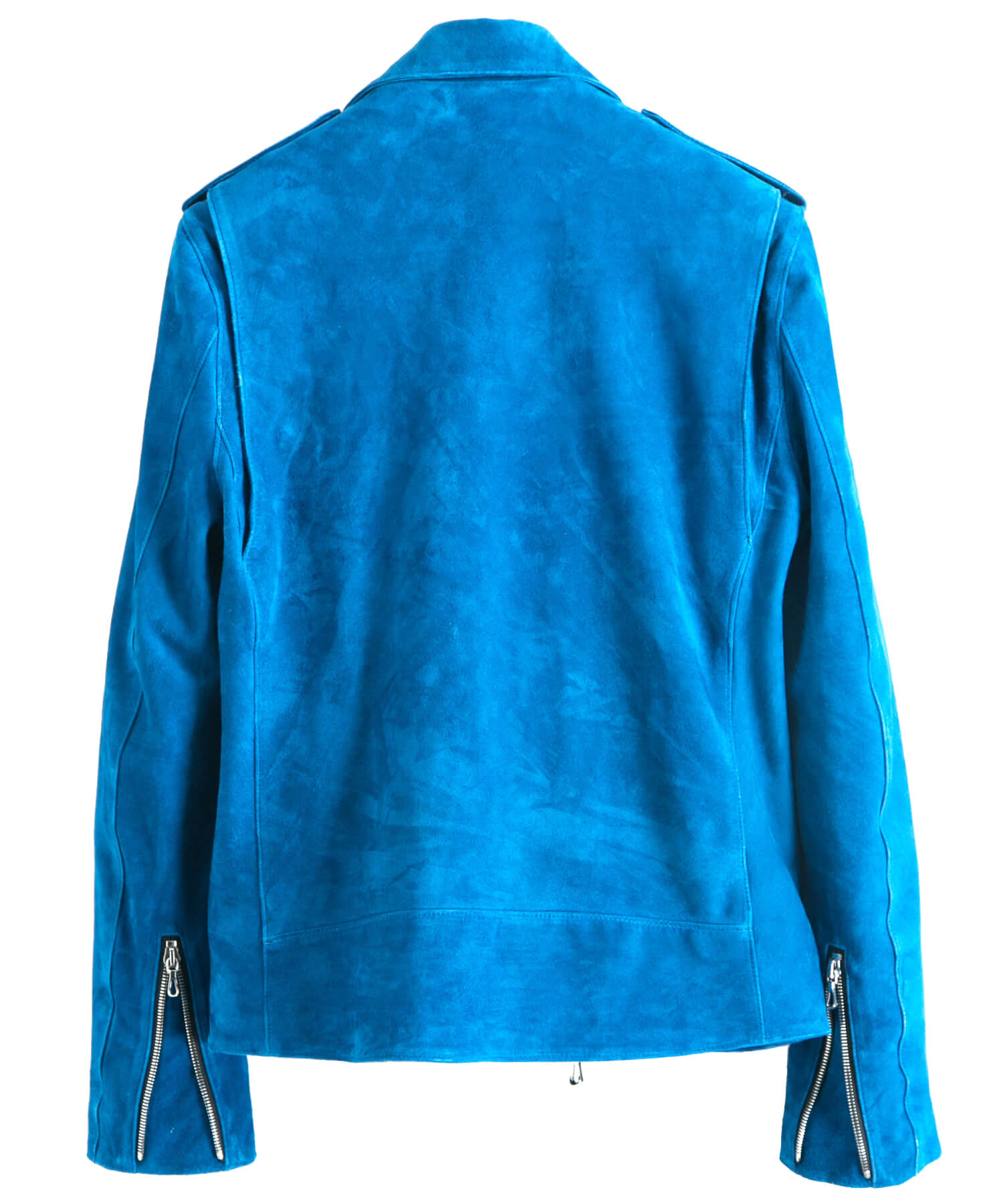
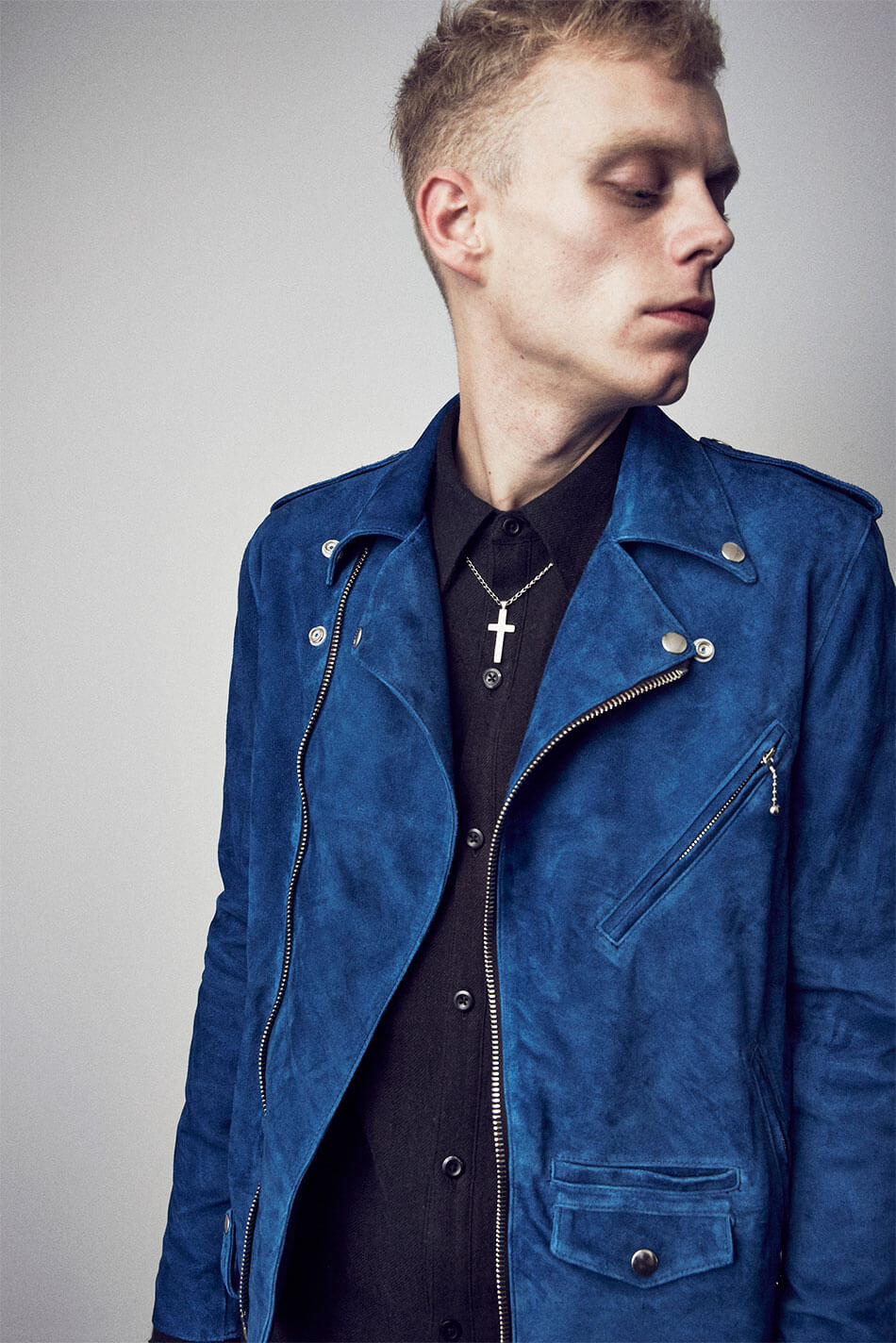
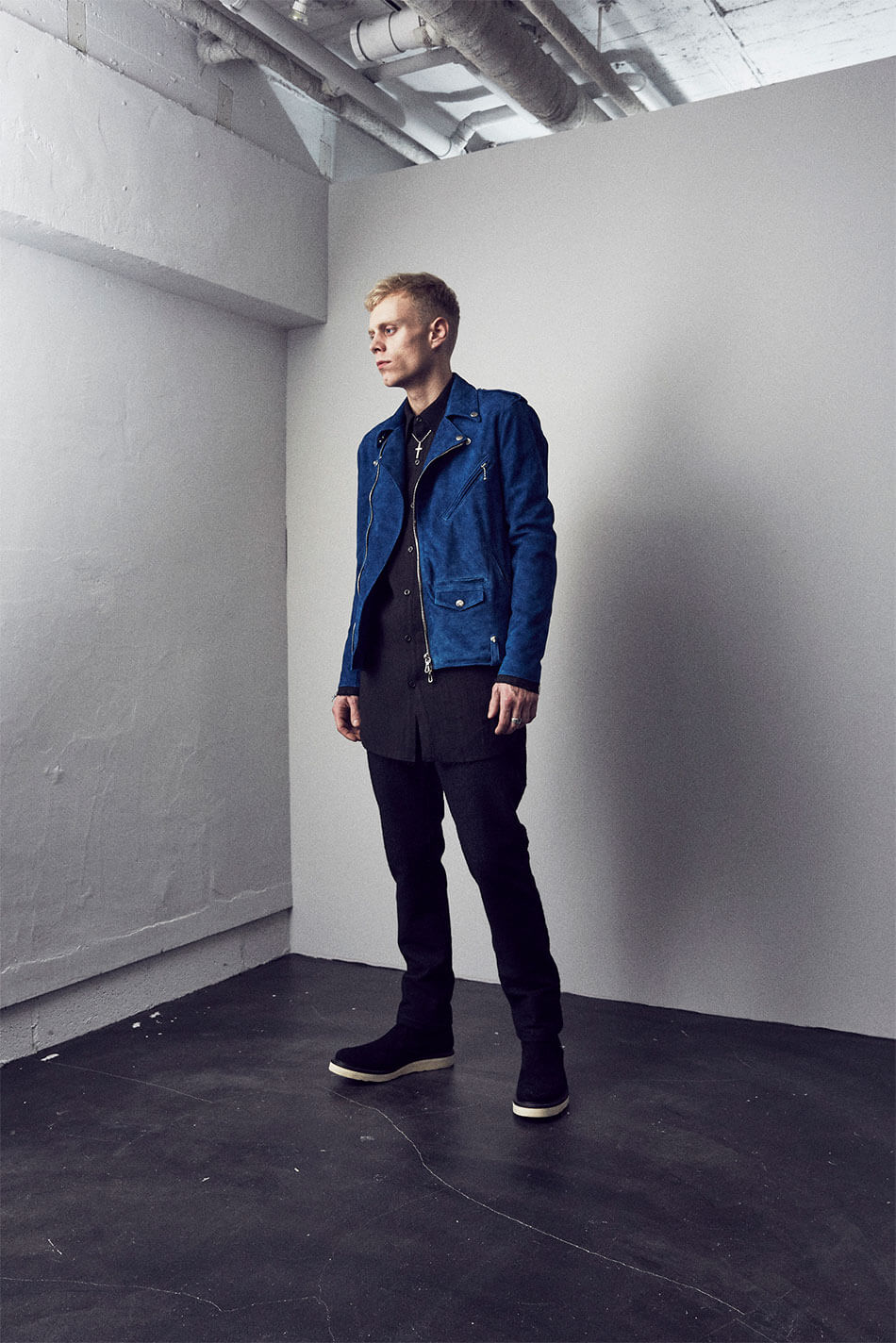
Our products mainly use vegetable-tanned leather. Vegetable tanning is a method that uses plant tannins and takes time and care; the more the leather is used, the softer it becomes and the more luster and character it develops.
Another representative tanning method is chrome tanning, which uses chromium agents. Compared with tannin tanning, it can be done in a shorter time, and the leather is soft from the start and highly durable. It is said to develop gloss and character less readily than tannin-tanned leather, but depending on the tanning, drying, and finishing methods, it can develop gloss and character comparable to tannin-tanned leather. For products that call for softness, or that are skived thin or require strength, we use chrome-tanned leather, tanned in a way that also brings out gloss and character.
In the leather industry, "made-up" leather—sprayed with pigment to hide flaws, or coated with color-fixing agents—loses the leather's natural texture, so we use it only when there is a special intent. Basically, we use raw-finished (sujiage) leather, dyed with dyes and left as is to make the most of the leather's natural texture. For this reason, some original scars may be present, and because the dye fixation is weak, color transfer and oil transfer may occur. Discoloration and fading may also occur due to external factors such as ultraviolet light, so please take sufficient care when wearing and storing the item.
Because leather is a natural material, no two pieces are exactly alike even from the same hide; each has a slightly different expression and color, and blood veins or scars may be visible. Please enjoy these as the leather's natural character, which gains luster and depth the more it is used.
* About cowhide: Cattle over two years old are called steer (male) and cow (female); hides under 6 months old are called calf, and those from 6 months to under 2 years are called kip. Calf has a fine grain with few scars, characterized by a "tora" (tiger-stripe) shibo (wrinkle) pattern. At STRUM we make the most of this tiger-stripe pattern in our products. From kip to steer and cow, the grain becomes thicker and flatter.
* About horsehide and deerskin: Compared with other leathers, the surface has more original scars, and since it is impossible to cut around them, a certain amount of scars and unevenness will be present. Horsehide in particular often shows the radial unevenness characteristic of horsehide when dyed. Please enjoy it as the leather's natural texture and character.
* About pigskin and flocky print: Printing is done by flocking fine fibers called "pile." As use progresses, rubbing and shedding of the fibers can be expected. Please enjoy it as an aging process that develops character with each use.
* About the Pit Vegetable Full Tanned Shrunken Horsehide (STL064) series: Because we select especially scarred hides to tan and shrink, there are large individual differences between products in the amount of scars and shibo, the expression, and so on. Also, because this leather takes time to source, delivery may be significantly delayed. Thank you for your understanding.
* About the Shrink Italian Double Shoulder (STL096, STL100) series: Because it is shrunk with heat, there are large individual differences between products in the amount of shibo, the expression, and so on.
* About the Burning Dye (STL096, STL099) series: Because each piece is product-dyed by hand by artisans, there may be color variation, unevenness, and staining in places. Also, since the gaps in the seams cannot be fully dyed, some dye skips will be present. This product ages differently depending on how the wearer wears it, and it is a series meant to be enjoyed for that process. Please understand that it will age into something quite different from its initial state.
There are two Burning Dye series.
Core Fade.. Light and dark tones appear in the Burning Dye color, and the brown base pulls up.
Mono Fade.. Because the base is dyed in a tone similar to the Burning Dye color (dyed through the core), light and dark tones appear in a similar tone, creating stronger contrast.
* For sizes 6 (XL), 7 (XXL), 5G (L), 6G (XL), and 7G (XXL), due to the size of the hide, paneling (seams) may be included even where the sample does not have it.
* Although a delivery date is set, it may change due to recent circumstances and the availability of raw materials.